Winter Remodeling and Construction in Montana: How to Plan Your Next Project
Winter doesn't have to put your construction plans on hold.
Sure, Montana winters bring freezing temperatures, snow, and short days, which can make some projects tricky. But the colder months can also be a great time to tackle home renovations, interior remodeling, and other improvements.
Maybe you're thinking about a kitchen remodel, a bathroom update, a finished basement, or a bigger construction project. Winter gives you a chance to improve your home and get a head start on the busy spring building season.
At Martin Construction, we believe good construction starts with good planning. In this guide, we'll walk through which projects work well in a Montana winter, how to plan and budget for them, what challenges to watch for, and which jobs are better saved for warmer weather, so you can feel confident about your next renovation.
Why Consider Remodeling During Winter?
A lot of people think of construction as a spring and summer thing, but plenty of projects work just fine during Montana's colder months.
Interior renovations are a great fit for winter because most of the work happens inside a heated building. Drywall, framing, kitchen and bathroom remodeling, and interior finishing can usually keep moving without snow or freezing temperatures getting in the way.
Winter is also a handy time to check your home's comfort and energy efficiency. Drafty rooms, cold floors, and uneven heating are much easier to notice when it's cold out, and they're clues that you might need insulation, air sealing, or other improvements. Make a note of them now so you can fold them into your remodeling plan.
Here's another perk: you have time to plan. If you start talking about designs, materials, budgets, and scheduling in winter, you'll be ready to break ground when warmer weather returns.
Good Winter Remodeling and Construction Projects
Here's what the projects below have in common: most of the work happens inside a heated space, away from snow and freezing temperatures, which makes them great winter candidates.
Kitchen Remodeling
Kitchen remodels are a good winter pick because the work stays inside your home's heated interior, so snow and cold rarely slow it down. A kitchen remodel might mean changing the layout, updating cabinets and countertops, putting in new flooring, replacing drywall, or improving lighting and storage.
Before you start, think about how long your kitchen will be out of commission and whether you'll need a temporary cooking setup. Order cabinets and countertops early, too, since specialty materials can affect your construction schedule.
Bathroom Renovations
Bathroom remodeling also works well in winter. Swapping out showers, tubs, vanities, flooring, and fixtures can make your home look better and work better. Keep in mind that a bathroom remodel can uncover hidden surprises like moisture damage, a worn-out subfloor, or outdated plumbing. You'll want to fix those before the new finishes go in.
If your home only has one bathroom, scheduling matters even more. Talk with your contractor about temporary arrangements and the timeline before demolition starts.
Drywall, Tape, and Texture
Winter is often a great season for interior drywall installation and finishing. Whether you're remodeling a room, finishing a basement, or repairing damaged walls, professional drywall installation, taping, mudding, and texture work can turn an unfinished space into a finished one.
One thing worth knowing: even indoors, drywall finishing needs steady temperatures and enough time between coats to cure properly.
Interior Framing and Basement Finishing
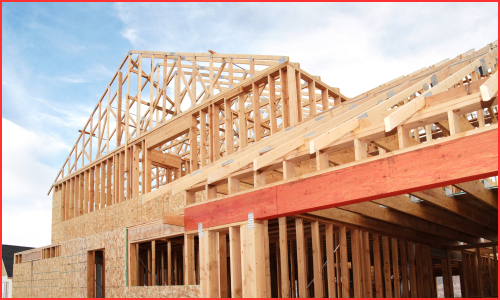
Unfinished basements, interior room additions, and layout changes can make excellent winter projects. Interior framing is how you create new bedrooms, offices, storage areas, or rec spaces, and you can do it without much outdoor construction.
Before you finish a basement, though, take a good look for water leaks, foundation cracks, and moisture problems. Fix those first, because insulation, framing, and drywall will hide them once they go up.
Interior Improvements and Custom Remodeling
Winter is also a nice time for smaller improvements that make everyday life more comfortable. Replacing interior doors, installing trim, improving storage, updating flooring, and remodeling a laundry room or living space are all projects that can often be done in colder weather.
If you're planning a bigger renovation, try doing the interior work in phases. That can keep parts of your home usable while construction is underway.
How to Plan a Successful Winter Construction Project
Good winter results start before the first hammer swings. Here are four simple steps to get you ready: set your goals, build your budget, line up your materials and schedule, and get your home prepped.
Start With a Clear Project Plan
Before you call a contractor, figure out what you want to accomplish. Are you trying to improve how your home looks, fix an existing problem, create more usable space, or get your property ready for future needs? Knowing your goals helps shape the project's scope, materials, budget, and timeline.
It also helps to separate must-have improvements from nice-to-have upgrades. If something unexpected comes up during construction, knowing your priorities makes decisions much easier.
Establish a Realistic Budget
A good construction budget should cover materials, labor, any permits you need, and a cushion for unexpected repairs.
Older homes can hide problems that only show up once walls or flooring come out. Water damage, outdated wiring, worn-out framing, and plumbing issues may need attention before the planned work can continue.
That's why it's smart to set aside a contingency allowance. It helps you handle surprises without throwing off the whole project.
Plan Materials and Scheduling Early
Winter weather can slow down deliveries, transportation, and access to rural properties across Montana. Custom cabinets, windows, specialty flooring, and other building materials may also need to be ordered well in advance.
Ask your contractor which materials have long lead times and when they need to arrive. Planning early means fewer delays and a smoother project.
Prepare Your Home for Construction
No matter the season, remodeling a home you're living in takes some prep work. In winter, dust control, heating, ventilation, and access matter even more. Temporary barriers can keep dust from spreading into the rooms you're using.
If the project involves exterior doors or windows, you may need temporary weather protection, so you don't lose a lot of heat. Also talk with your contractor ahead of time about how you'll use bathrooms, kitchens, and other essential spaces while work is underway.
Winter Construction Challenges and How to Manage Them
Let's be real: cold weather throws a few curveballs. The good news is that each one has a practical fix, so here's what to watch for with materials, access, moisture, and daylight, and how to handle it.
Cold Temperatures and Material Performance
Many building materials have specific temperature requirements for installation, drying, or curing. Drywall compound, paint, adhesives, sealants, and concrete can perform poorly if they're installed outside their recommended conditions. The fix is simple: follow the manufacturer's instructions, keep temperatures suitable, and give materials enough time to dry or cure.
For interior projects, you may need temporary heating or controlled ventilation. If you use temporary heaters, use them safely, with good ventilation and carbon monoxide precautions.
Snow, Ice, and Jobsite Access
Snow-covered roads, icy driveways, and frozen ground can make life harder for workers, equipment, and material deliveries. A few habits help: keep access routes clear, plan deliveries around the weather, and keep walking surfaces safe to prevent delays and injuries.
Outdoor work also calls for extra attention to worker safety. Wind chill, wet clothing, and long stretches in the cold raise the risk of frostbite and hypothermia.
Moisture and Ventilation
Winter construction can cause moisture problems when warm indoor air meets cold surfaces. Painting, drywall finishing, and other wet work add moisture to the air inside. Without good ventilation, condensation can form on cold surfaces.
That's why contractors should keep an eye on indoor conditions and use ventilation or dehumidification when needed.
Working Around Shorter Days
Montana's short winter days mean less natural light for outdoor work, so projects that need exterior work may need extra lighting or a tweaked schedule. Planning tasks around daylight hours and leaving some flexibility for winter storms helps keep the jobsite safe and productive.
Which Construction Projects Should Wait Until Warmer Weather?
Even though lots of projects can keep going through winter, some are usually easier in spring, summer, or early fall.
Large Concrete Projects
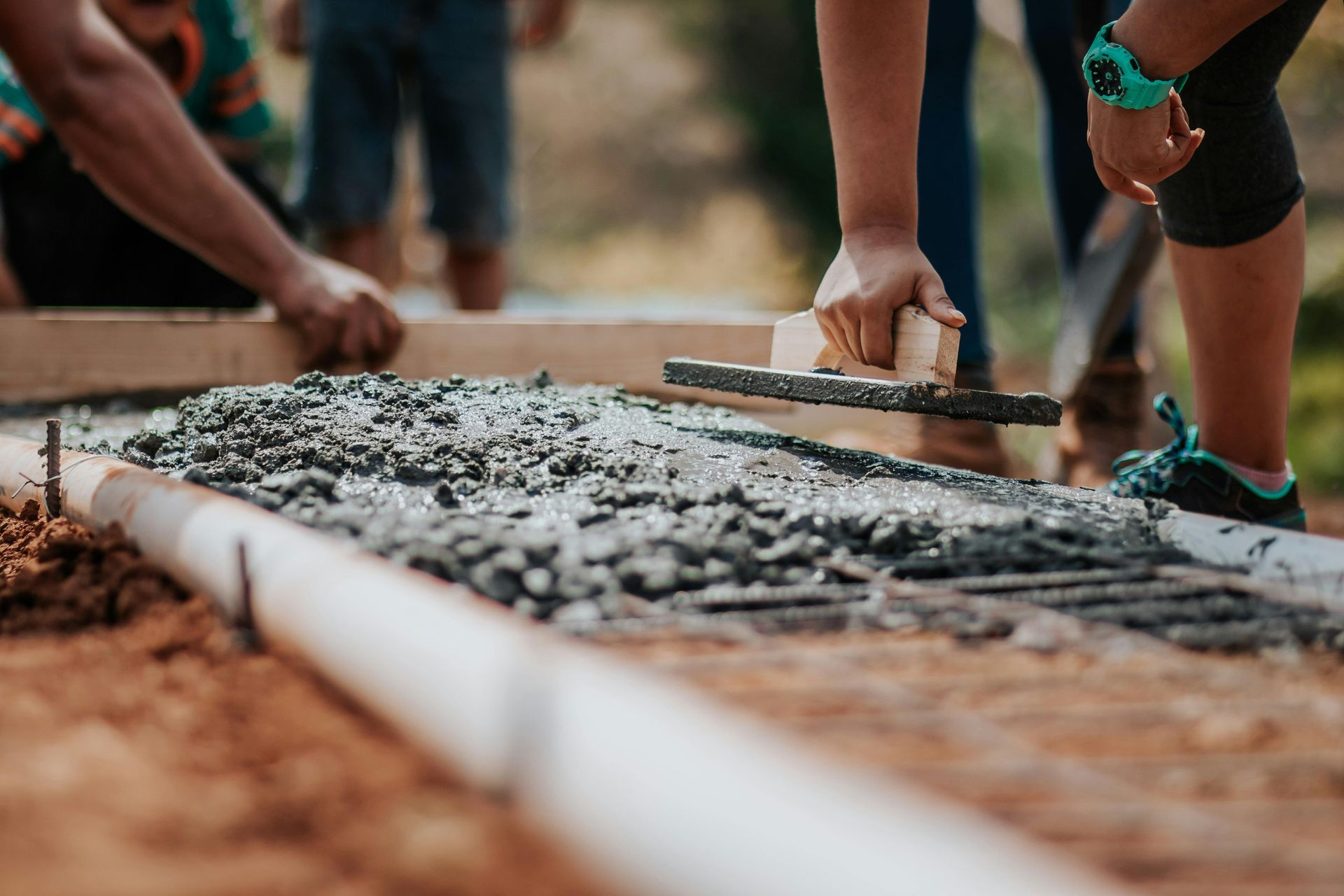
Concrete foundations, driveways, patios, and sidewalks are usually easier to install in warmer weather. You can place concrete in cold weather, but it takes extra planning and protection. Fresh concrete must be kept from freezing until it's strong enough, and curing temperatures need careful management. Depending on the project, that might mean heated enclosures, insulating blankets, or other protective measures.
For concrete work that isn't urgent, waiting for warmer weather can mean fewer complications and lower costs.
Major Excavation and Foundation Work
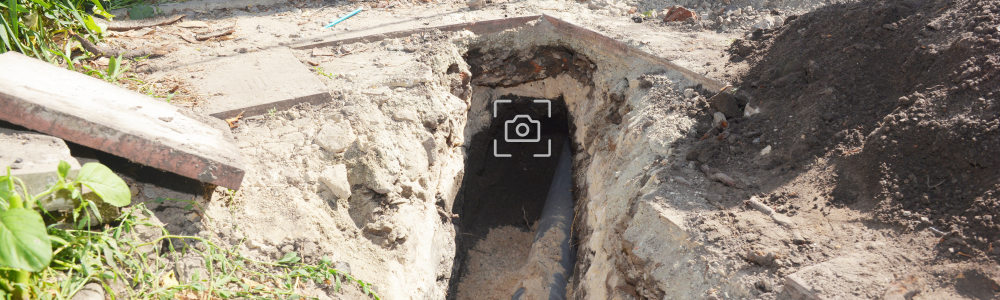
Frozen ground, piled-up snow, and tricky site access can make excavation more complicated and more expensive. New foundations, major grading, drainage improvements, and underground utility installs are often better scheduled once ground conditions improve.
That said, necessary repairs and well-planned winter excavation can still get done when conditions and equipment allow.
Roofing and Siding Replacement
Some roofing and siding projects can be done in winter, but the type of material and the weather both matter. Certain roofing products, adhesives, sealants, and siding materials have temperature requirements for installation, and snow, ice, wind, and slippery roof surfaces also add safety concerns.
Unless repairs are urgent, big exterior replacements usually make more sense in milder weather. But if you have a roof leak or storm damage, get it fixed promptly rather than waiting for spring.
Exterior Painting and Finishing
Exterior painting, staining, and some sealants generally need the right surface temperature, dry conditions, and enough time to cure. Cold surfaces, frost, and precipitation can get in the way of adhesion and drying.
For most Montana homeowners, scheduling major exterior finishing in warmer, drier weather is the more reliable choice.
The short version: interior work like kitchens, bathrooms, drywall, framing, and finishing generally suits winter, while large concrete projects, major excavation, roofing and siding replacement, and exterior painting usually go better in warmer weather, unless repairs are urgent.
Use Winter to Prepare for Spring Construction
Even if a project isn't practical in winter, that doesn't mean the planning has to wait. Winter is a great time to sit down with a Montana construction contractor, talk through your ideas, build a budget, review building plans, and pick out materials. If you're thinking about a new home, an addition, a concrete foundation, a roofing project, or a major exterior renovation, working out the details early helps you be ready when conditions improve.
Depending on the project, winter planning might include site evaluations, design decisions, permit applications, material estimates, and scheduling. Starting these conversations before spring makes the jump into construction season much smoother.
Plan Your Winter Remodeling Project with Martin Construction
Winter construction in Montana comes with challenges, but with the right planning, plenty of projects are doable. Martin Construction provides residential and commercial construction services across northeastern Montana, including custom remodeling, framing, concrete construction, drywall installation, tape and texture, roofing, siding, and new home construction.
Whether you want to tackle an interior renovation this winter or get ready for a bigger project in the spring, our team can help you weigh your options and build a practical construction plan.
Ready to start planning? Call Martin Construction, and let's talk through your next project. From foundation to finish, we're here to help you build with confidence.
FAQs
Can you remodel a home during winter in Montana?
Yes. Many home remodeling projects can be completed during Montana's winter months. Kitchen renovations, bathroom remodeling, drywall installation, interior framing, and basement finishing are excellent options because most of the work takes place indoors.
What are the best construction and remodeling projects for winter?
Some of the best winter projects include kitchen and bathroom renovations, basement finishing, drywall installation, taping and texturing, interior framing, flooring replacement, and custom remodeling. These projects can often move forward without significant weather-related delays.
Can concrete be poured during Montana winters?
Yes, but cold-weather concrete construction requires additional precautions. Fresh concrete must be protected from freezing and maintained at suitable curing temperatures. For projects such as driveways, patios, and sidewalks, waiting until warmer weather is often more practical and cost-effective.
What construction projects should wait until spring or summer?
Large concrete pours, extensive excavation, major grading, exterior painting, and certain roofing or siding installations are generally easier during warmer weather. Frozen ground, snow, ice, and freezing temperatures can increase costs and complicate construction.
When should I start planning a spring construction project in Montana?
Fall and winter are excellent times to begin planning spring construction. Starting early allows time for estimates, design, permits, material selection, and scheduling. Martin Construction can help homeowners throughout northeastern Montana prepare for new home construction, concrete work, roofing, siding, and custom remodeling projects.
Sources
U.S. Department of Energy — Energy Renovations and Insulation
Explains how drafts, insulation, moisture, and ventilation affect home comfort, especially during winter.
Read the insulation and renovation guide (PDF)
USG — Finishing Drywall in Cold or Humid Conditions
Explains temperature and humidity requirements for drywall finishing, including why cold conditions can cause joint compound failures.
Read the drywall finishing guidance
American Concrete Institute — Guide to Cold Weather Concreting
Covers protecting fresh concrete from freezing, maintaining curing conditions, and managing cold-weather concrete placement.
Read the cold-weather concrete guide (PDF preview)
Asphalt Roofing Manufacturers Association — Installing Shingles in Cold Weather
Discusses winter roofing safety, material handling, temperature limitations, and proper installation practices.
Read the cold-weather roofing recommendations
Asphalt Roofing Manufacturers Association (ARMA)
OSHA — Winter Weather and Cold Stress
Guides for preventing hypothermia, frostbite, and other cold-weather hazards on construction sites.
Read OSHA's winter construction safety guidance
U.S. Environmental Protection Agency — Lead-Safe Renovation and Remodeling
Explains safety requirements when renovating older homes, particularly those built before 1978.
Read EPA's renovation safety guidance
U.S. Department of Energy — Insulation and Air Sealing
Explains how air sealing, weatherstripping, and insulation can improve comfort and reduce energy loss.
Read the home insulation and air-sealing guidance