How Long Does It Take to Build a Home in Montana?

July 25, 2026

Things to Consider When Building New Home
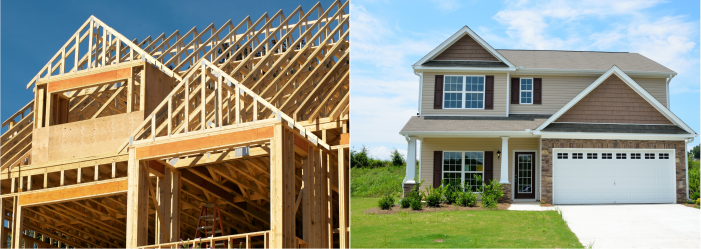
Montana New Home Build

Building a custom home is one of the biggest investments you'll ever make, and one of the first questions homeowners ask is, "How long will it take?" While every project is different, most custom homes in Montana take approximately seven to twelve months to complete once construction begins. Larger homes, custom finishes, remote building sites, and weather conditions can extend that timeline to a year or more.


Working with an experienced Montana construction company can help keep your project organized, on schedule, and moving forward from planning through the final walkthrough. At Martin Construction, we believe that understanding each phase of the building process helps homeowners make informed decisions and set realistic expectations.


Every Home Starts With Careful Planning

Before excavation begins, there is a considerable amount of work happening behind the scenes. Selecting a building site, finalizing house plans, securing financing, coordinating utilities, and obtaining any required permits are important factors for the overall timeline.


In Montana, building permit requirements vary depending on where your property is located. Some local jurisdictions require permits for residential construction, while other areas follow state requirements. Working with an experienced contractor helps ensure the proper approvals are obtained before construction begins.


Planning takes anywhere from several weeks to a few months, depending on the project's complexity.


Site Preparation and Foundation

Once planning is complete, the property is prepared for construction. This phase may include clearing trees, grading the building site, installing temporary utilities, excavation, septic installation if needed, and preparing the foundation.


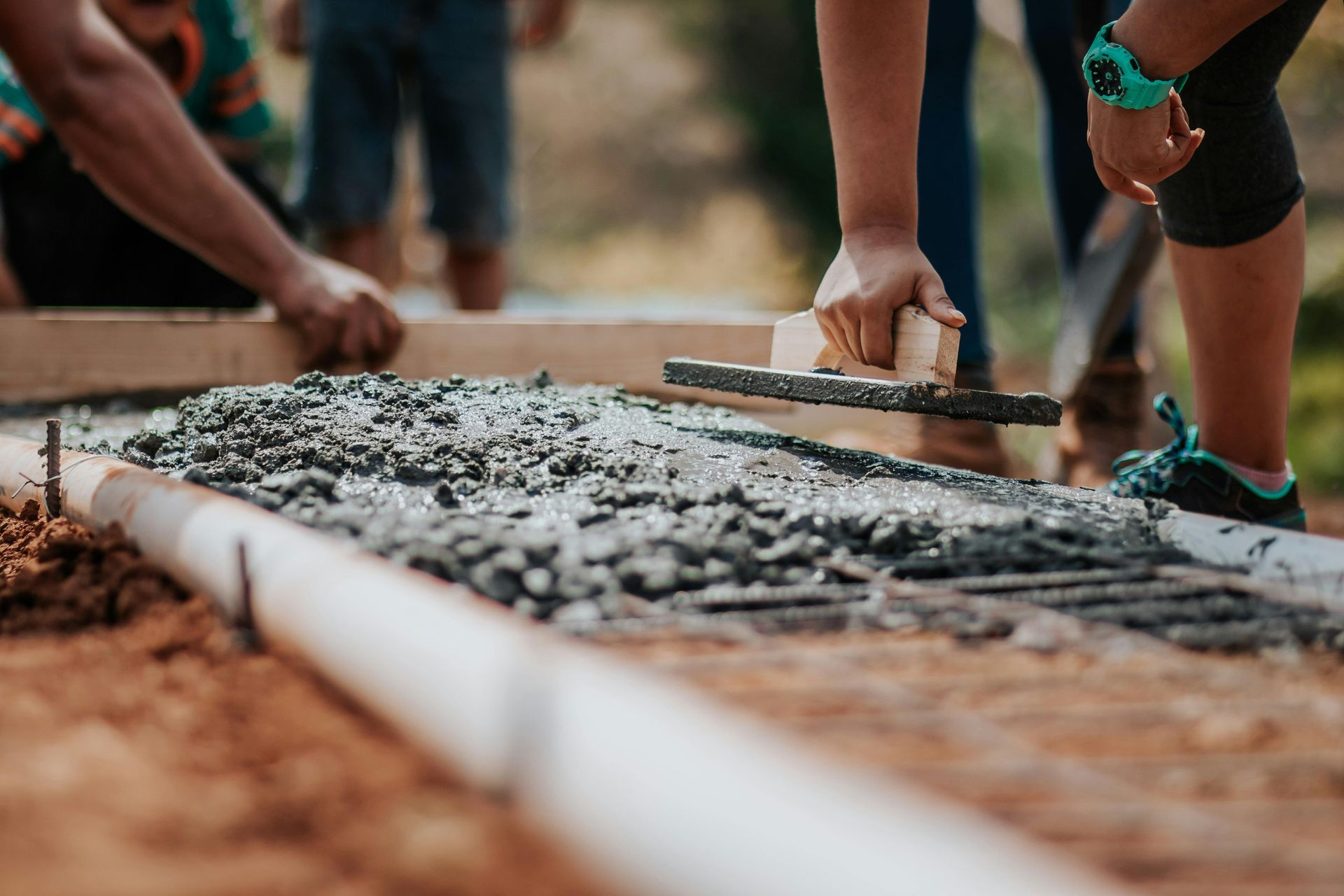
Because Montana experiences significant freeze-thaw cycles, foundations must be designed and installed to meet local frost depth requirements. Proper site preparation and concrete work provide the structural base for the entire home and help prevent future settling or movement.


Most foundation work requires two to four weeks, although weather and soil conditions may affect the schedule.


Framing Brings the Home to Life

Framing is one of the most exciting stages because homeowners begin seeing their floor plan take shape. Exterior walls, interior walls, floor systems, roof framing, and structural supports are installed during this phase.


Depending on the home's size and design, framing takes three to six weeks. However, Montana weather can influence progress during this stage: Heavy snow, freezing temperatures, or high winds can cause delays.


Roofing, Siding, and Exterior Protection

Once framing is complete, roofing and siding are installed to protect the structure from the elements. Completing the exterior allows interior work to continue regardless of weather conditions.


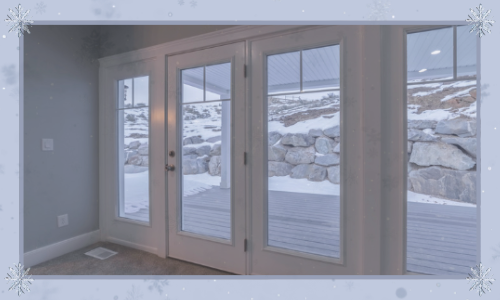
Windows and exterior doors are also installed during this phase, creating a weather-resistant building envelope that protects framing, insulation, and interior finishes.


Mechanical Systems

After the home is dried in, licensed professionals install the plumbing, electrical, heating, ventilation, and air conditioning systems. These trades work together to ensure every system functions properly before walls are closed.


Inspections often occur throughout this phase to verify the work meets applicable building codes.


Drywall, Tape, and Texture

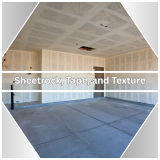
Once mechanical systems pass inspection, drywall installation begins. Large drywall panels are hung throughout the home before the finishing process starts.


Professional drywall finishing includes taping joints, applying multiple coats of joint compound, sanding surfaces smooth, and applying the selected wall texture. This stage plays a significant role in the overall appearance of the finished home. Quality drywall work creates smooth walls that are ready for primer and paint while helping achieve clean, professional interior finishes.


Depending on the home's size, drywall installation and finishing generally require two to four weeks.


Interior Finishes

Interior finishes are where the personality of the home begins to emerge. Cabinets, flooring, trim, doors, paint, countertops, plumbing fixtures, lighting, and appliances are installed throughout the house.


Custom homes with upgraded materials or specialty finishes often spend more time in this phase than standard residential construction.


Final Inspections and Walkthrough

Before moving in, the home undergoes final inspections to verify all systems are functioning properly and that applicable code requirements have been met. A final walkthrough allows homeowners to review every room, ask questions, and identify any remaining touch-up items before taking possession.


Once inspections are complete and any final adjustments have been made, your new Montana home is ready to enjoy.


What Can Affect the Construction Timeline?

Every home is unique, and several factors can influence how long construction takes.


Weather is often the largest variable in Montana. Snow, freezing temperatures, spring runoff, and extended periods of rain can delay excavation, concrete placement, roofing, and exterior work.


Material availability may also impact schedules. Custom windows, specialty roofing products, cabinetry, and custom millwork can have longer lead times than standard building materials.


Design changes made during construction can add additional time as plans are revised and new materials are ordered.

Building on rural property may also require additional coordination for wells, septic systems, utility connections, and access roads.


Choosing the Right Montana Construction Company

Building a home requires careful coordination between every phase of construction, from framing and concrete to roofing, drywall, siding, and interior finishes. An experienced contractor overseeing the project helps reduce delays, improve communication, and maintain quality throughout the build.


Martin Construction provides complete residential construction services throughout Montana, helping homeowners build custom homes with quality craftsmanship, dependable scheduling, and attention to detail from the first day of construction to the final walkthrough.


Frequently Asked Questions

How long does it usually take to build a custom home in Montana?

Most custom homes require approximately seven to twelve months after construction begins. Larger homes, custom features, weather conditions, and site preparation can extend the timeline.


Does Montana weather affect construction?

Yes. Snow, freezing temperatures, spring moisture, and seasonal weather can impact excavation, concrete work, roofing, and exterior construction.


When is the best time to start building a home in Montana?

Many homeowners begin construction during the spring or early summer, although planning often begins months earlier to allow time for design, financing, and permitting.


Can construction continue during winter?

Yes. Interior work such as framing, electrical, plumbing, drywall, and finish work can often continue after the home is enclosed, although severe weather may affect exterior construction.


Why is hiring an experienced contractor important?

An experienced Montana contractor coordinates subcontractors, schedules inspections, manages materials, and helps keep every phase of construction moving efficiently while maintaining quality workmanship.


What services does Martin Construction provide?

Martin Construction offers custom home construction, framing, concrete construction, drywall installation, tape and texture, roofing, siding, remodeling, and other residential construction services throughout Montana.


Sources


By Martin Construction • November 17, 2026
Winter doesn't have to put your construction plans on hold. Sure, Montana winters bring freezing temperatures, snow, and short days, which can make some projects tricky. But the colder months can also be a great time to tackle home renovations, interior remodeling, and other improvements. Maybe you're thinking about a kitchen remodel, a bathroom update, a finished basement, or a bigger construction project. Winter gives you a chance to improve your home and get a head start on the busy spring building season. At Martin Construction, we believe good construction starts with good planning. In this guide, we'll walk through which projects work well in a Montana winter, how to plan and budget for them, what challenges to watch for, and which jobs are better saved for warmer weather, so you can feel confident about your next renovation. Why Consider Remodeling During Winter? A lot of people think of construction as a spring and summer thing, but plenty of projects work just fine during Montana's colder months. Interior renovations are a great fit for winter because most of the work happens inside a heated building. Drywall, framing, kitchen and bathroom remodeling, and interior finishing can usually keep moving without snow or freezing temperatures getting in the way. Winter is also a handy time to check your home's comfort and energy efficiency. Drafty rooms, cold floors, and uneven heating are much easier to notice when it's cold out, and they're clues that you might need insulation, air sealing, or other improvements. Make a note of them now so you can fold them into your remodeling plan. Here's another perk: you have time to plan. If you start talking about designs, materials, budgets, and scheduling in winter, you'll be ready to break ground when warmer weather returns. Good Winter Remodeling and Construction Projects Here's what the projects below have in common: most of the work happens inside a heated space, away from snow and freezing temperatures, which makes them great winter candidates. Kitchen Remodeling Kitchen remodels are a good winter pick because the work stays inside your home's heated interior, so snow and cold rarely slow it down. A kitchen remodel might mean changing the layout, updating cabinets and countertops, putting in new flooring, replacing drywall, or improving lighting and storage. Before you start, think about how long your kitchen will be out of commission and whether you'll need a temporary cooking setup. Order cabinets and countertops early, too, since specialty materials can affect your construction schedule. Bathroom Renovations Bathroom remodeling also works well in winter. Swapping out showers, tubs, vanities, flooring, and fixtures can make your home look better and work better. Keep in mind that a bathroom remodel can uncover hidden surprises like moisture damage, a worn-out subfloor, or outdated plumbing. You'll want to fix those before the new finishes go in. If your home only has one bathroom, scheduling matters even more. Talk with your contractor about temporary arrangements and the timeline before demolition starts. Drywall, Tape, and Texture Winter is often a great season for interior drywall installation and finishing. Whether you're remodeling a room, finishing a basement, or repairing damaged walls, professional drywall installation, taping, mudding, and texture work can turn an unfinished space into a finished one. One thing worth knowing: even indoors, drywall finishing needs steady temperatures and enough time between coats to cure properly. Interior Framing and Basement Finishing Unfinished basements, interior room additions, and layout changes can make excellent winter projects. Interior framing is how you create new bedrooms, offices, storage areas, or rec spaces, and you can do it without much outdoor construction. Before you finish a basement, though, take a good look for water leaks, foundation cracks, and moisture problems. Fix those first, because insulation, framing, and drywall will hide them once they go up. Interior Improvements and Custom Remodeling Winter is also a nice time for smaller improvements that make everyday life more comfortable. Replacing interior doors, installing trim, improving storage, updating flooring, and remodeling a laundry room or living space are all projects that can often be done in colder weather. If you're planning a bigger renovation, try doing the interior work in phases. That can keep parts of your home usable while construction is underway. H ow to Plan a Successful Winter Construction Project Good winter results start before the first hammer swings. Here are four simple steps to get you ready: set your goals, build your budget, line up your materials and schedule, and get your home prepped. Start With a Clear Project Plan Before you call a contractor, figure out what you want to accomplish. Are you trying to improve how your home looks, fix an existing problem, create more usable space, or get your property ready for future needs? Knowing your goals helps shape the project's scope, materials, budget, and timeline. It also helps to separate must-have improvements from nice-to-have upgrades. If something unexpected comes up during construction, knowing your priorities makes decisions much easier. Establish a Realistic Budget A good construction budget should cover materials, labor, any permits you need, and a cushion for unexpected repairs. Older homes can hide problems that only show up once walls or flooring come out. Water damage, outdated wiring, worn-out framing, and plumbing issues may need attention before the planned work can continue. That's why it's smart to set aside a contingency allowance. It helps you handle surprises without throwing off the whole project. Plan Materials and Scheduling Early Winter weather can slow down deliveries, transportation, and access to rural properties across Montana. Custom cabinets, windows, specialty flooring, and other building materials may also need to be ordered well in advance. Ask your contractor which materials have long lead times and when they need to arrive. Planning early means fewer delays and a smoother project. Prepare Your Home for Construction No matter the season, remodeling a home you're living in takes some prep work. In winter, dust control, heating, ventilation, and access matter even more. Temporary barriers can keep dust from spreading into the rooms you're using. If the project involves exterior doors or windows, you may need temporary weather protection, so you don't lose a lot of heat. Also talk with your contractor ahead of time about how you'll use bathrooms, kitchens, and other essential spaces while work is underway. Winter Construction Challenges and How to Manage Them Let's be real: cold weather throws a few curveballs. The good news is that each one has a practical fix, so here's what to watch for with materials, access, moisture, and daylight, and how to handle it. Cold Temperatures and Material Performance Many building materials have specific temperature requirements for installation, drying, or curing. Drywall compound, paint, adhesives, sealants, and concrete can perform poorly if they're installed outside their recommended conditions. The fix is simple: follow the manufacturer's instructions, keep temperatures suitable, and give materials enough time to dry or cure. For interior projects, you may need temporary heating or controlled ventilation. If you use temporary heaters, use them safely, with good ventilation and carbon monoxide precautions. Snow, Ice, and Jobsite Access Snow-covered roads, icy driveways, and frozen ground can make life harder for workers, equipment, and material deliveries. A few habits help: keep access routes clear, plan deliveries around the weather, and keep walking surfaces safe to prevent delays and injuries. Outdoor work also calls for extra attention to worker safety. Wind chill, wet clothing, and long stretches in the cold raise the risk of frostbite and hypothermia. Moisture and Ventilation Winter construction can cause moisture problems when warm indoor air meets cold surfaces. Painting, drywall finishing, and other wet work add moisture to the air inside. Without good ventilation, condensation can form on cold surfaces. That's why contractors should keep an eye on indoor conditions and use ventilation or dehumidification when needed. Working Around Shorter Days Montana's short winter days mean less natural light for outdoor work, so projects that need exterior work may need extra lighting or a tweaked schedule. Planning tasks around daylight hours and leaving some flexibility for winter storms helps keep the jobsite safe and productive. W hich Construction Projects Should Wait Until Warmer Weather? Even though lots of projects can keep going through winter, some are usually easier in spring, summer, or early fall. Large Concrete Projects Concrete foundations, driveways, patios, and sidewalks are usually easier to install in warmer weather. You can place concrete in cold weather, but it takes extra planning and protection. Fresh concrete must be kept from freezing until it's strong enough, and curing temperatures need careful management. Depending on the project, that might mean heated enclosures, insulating blankets, or other protective measures. For concrete work that isn't urgent, waiting for warmer weather can mean fewer complications and lower costs. Major Excavation and Foundation Work Frozen ground, piled-up snow, and tricky site access can make excavation more complicated and more expensive. New foundations, major grading, drainage improvements, and underground utility installs are often better scheduled once ground conditions improve. That said, necessary repairs and well-planned winter excavation can still get done when conditions and equipment allow. Roofing and Siding Replacement Some roofing and siding projects can be done in winter, but the type of material and the weather both matter. Certain roofing products, adhesives, sealants, and siding materials have temperature requirements for installation, and snow, ice, wind, and slippery roof surfaces also add safety concerns. Unless repairs are urgent, big exterior replacements usually make more sense in milder weather. But if you have a roof leak or storm damage, get it fixed promptly rather than waiting for spring. Exterior Painting and Finishing Exterior painting, staining, and some sealants generally need the right surface temperature, dry conditions, and enough time to cure. Cold surfaces, frost, and precipitation can get in the way of adhesion and drying. For most Montana homeowners, scheduling major exterior finishing in warmer, drier weather is the more reliable choice. The short version: interior work like kitchens, bathrooms, drywall, framing, and finishing generally suits winter, while large concrete projects, major excavation, roofing and siding replacement, and exterior painting usually go better in warmer weather, unless repairs are urgent. Use Winter to Prepare for Spring Construction Even if a project isn't practical in winter, that doesn't mean the planning has to wait. Winter is a great time to sit down with a Montana construction contractor, talk through your ideas, build a budget, review building plans, and pick out materials. If you're thinking about a new home, an addition, a concrete foundation, a roofing project, or a major exterior renovation, working out the details early helps you be ready when conditions improve. Depending on the project, winter planning might include site evaluations, design decisions, permit applications, material estimates, and scheduling. Starting these conversations before spring makes the jump into construction season much smoother. Plan Your Winter Remodeling Project with Martin Construction Winter construction in Montana comes with challenges, but with the right planning, plenty of projects are doable. Martin Construction provides residential and commercial construction services across northeastern Montana, including custom remodeling, framing, concrete construction, drywall installation, tape and texture, roofing, siding, and new home construction. Whether you want to tackle an interior renovation this winter or get ready for a bigger project in the spring, our team can help you weigh your options and build a practical construction plan. Ready to start planning? Call Martin Construction , and let's talk through your next project. From foundation to finish, we're here to help you build with confidence. FAQs Can you remodel a home during winter in Montana? Yes. Many home remodeling projects can be completed during Montana's winter months. Kitchen renovations, bathroom remodeling, drywall installation, interior framing, and basement finishing are excellent options because most of the work takes place indoors. What are the best construction and remodeling projects for winter? Some of the best winter projects include kitchen and bathroom renovations, basement finishing, drywall installation, taping and texturing, interior framing, flooring replacement, and custom remodeling. These projects can often move forward without significant weather-related delays. Can concrete be poured during Montana winters? Yes, but cold-weather concrete construction requires additional precautions. Fresh concrete must be protected from freezing and maintained at suitable curing temperatures. For projects such as driveways, patios, and sidewalks, waiting until warmer weather is often more practical and cost-effective. What construction projects should wait until spring or summer? Large concrete pours, extensive excavation, major grading, exterior painting, and certain roofing or siding installations are generally easier during warmer weather. Frozen ground, snow, ice, and freezing temperatures can increase costs and complicate construction. When should I start planning a spring construction project in Montana? Fall and winter are excellent times to begin planning spring construction. Starting early allows time for estimates, design, permits, material selection, and scheduling. Martin Construction can help homeowners throughout northeastern Montana prepare for new home construction, concrete work, roofing, siding, and custom remodeling projects. Sources U.S. Department of Energy — Energy Renovations and Insulation Explains how drafts, insulation, moisture, and ventilation affect home comfort, especially during winter. Read the insulation and renovation guide (PDF) USG — Finishing Drywall in Cold or Humid Conditions Explains temperature and humidity requirements for drywall finishing, including why cold conditions can cause joint compound failures. Read the drywall finishing guidance American Concrete Institute — Guide to Cold Weather Concreting Covers protecting fresh concrete from freezing, maintaining curing conditions, and managing cold-weather concrete placement. Read the cold-weather concrete guide (PDF preview) Asphalt Roofing Manufacturers Association — Installing Shingles in Cold Weather Discusses winter roofing safety, material handling, temperature limitations, and proper installation practices. Read the cold-weather roofing recommendations Asphalt Roofing Manufacturers Association (ARMA) OSHA — Winter Weather and Cold Stress Guides for preventing hypothermia, frostbite, and other cold-weather hazards on construction sites. Read OSHA's winter construction safety guidance U.S. Environmental Protection Agency — Lead-Safe Renovation and Remodeling Explains safety requirements when renovating older homes, particularly those built before 1978. Read EPA's renovation safety guidance U.S. Department of Energy — Insulation and Air Sealing Explains how air sealing, weatherstripping, and insulation can improve comfort and reduce energy loss. Read the home insulation and air-sealing guidance
Montana interior finishing
By Martin Construction • May 23, 2026
Understand drywall installation & finishing for a professional look. Contact us for expert help with your home remodel!
Montana Concrete Finishing
By Martin Construction • March 1, 2026
Get expert concrete services including foundations & driveways. Trust Martin Construction for durable solutions. Contact us today!
Montana Roofing Insurance
By Martin Construction • December 13, 2025
Understand the importance of roofing liability insurance when hiring a contractor. Protect your home from risks. Contact us today!
Sewer camera for inspections and sewer repair in Montana
By Martin Construction • November 8, 2025
A sewer camera inspection helps diagnose plumbing issues accurately. Contact us to prevent costly repairs before they escalate.